
There’s a warm, welcoming spirit in West Waco that’s been fostered over generations—a blend of tradition and progress that locals cherish deeply. From its humble beginnings to the thriving residential and commercial hub it is today, West Waco offers a window into Waco’s evolving story. As someone who’s watched this neighborhood grow and change, I’m delighted to share the rich history and enduring charm that define West Waco.
The Origins of West Waco
West Waco, as the name suggests, lies to the west of the city’s historic core, nestled neatly between the Bosque and Brazos Rivers. This area rose to prominence in the mid-20th century, as Wacoans started moving outwards from the busy downtown, looking for quieter residential enclaves and new opportunities. The “West Waco” name naturally took hold as development spread west of the original town center, embodying both a direction and a sense of a new chapter for the city.
Settlers were drawn to this side of Waco for its open spaces and gently rolling hills. Early on, farmland dominated the landscape—tracts of cotton, corn, and pastureland stretched as far as the eye could see. As the city grew, these fields gave way to suburban neighborhoods, major streets like Bosque Boulevard and Wooded Acres Drive becoming the lifeblood for new families and small businesses.
Key Milestones in Neighborhood History
As with much of Waco, West Waco felt the effects of both boom and hardship over the decades. A few pivotal milestones have shaped its identity:
- Post-War Suburban Development: After World War II, a nationwide housing boom echoed in Waco. West Waco became an attractive site for returning veterans and their families, and subdivisions like Lake Air Estates sprang up in the 1950s and 1960s. Streets such as Lake Air Drive and New Road—now major arteries—were once quiet country lanes edged with fresh construction.
- Educational Investment: The opening of schools like Mountainview Elementary and Woodgate Intermediate marked West Waco as a place for families to settle and flourish. These institutions became community cornerstones, fostering neighborhood pride.
- Commercial Centers: Richland Mall, which opened in the early 1980s near the intersection of Bosque Boulevard and W. Waco Drive, brought a new era of shopping and entertainment to the area. Suddenly, residents could shop, dine, and socialize close to home.
- Modern Growth: The last few decades have brought vibrant growth to West Waco, with newer developments stretching west towards Hewitt and Woodway. The neighborhood’s mix of established homes and new construction has attracted folks from across Central Texas.
Notable Landmarks and Institutions
West Waco balances modern convenience with cherished landmarks that tell the story of its journey.
- Cottonwood Creek Golf Course: Once agricultural land, this beautiful municipal golf course now offers recreation and scenic views for locals. It’s a testament to how West Waco has grown up while keeping green spaces at its heart.
- Lake Waco and Midway Park: On the western edge, Lake Waco not only supplies the city’s water but has become a beloved destination for hiking, fishing, and picnicking. The gentle slopes and woodlands around Midway Park are perfect for outdoor gatherings and neighborhood events.
- Vanguard College Preparatory School: Founded in the 1970s, this independent college prep school on Bosque Boulevard is one of the area’s educational jewels and brings families from across Waco to West Waco’s quiet streets.
- Richland Mall: As a fixture for over forty years, Richland Mall remains an iconic piece of West Waco. Anchored by longtime retailers and filled with local memories, it’s more than just a shopping spot—it’s a landmark woven into the lives of those who grew up here.
Beyond these, West Waco is dotted with churches of every denomination, signifying the community’s faith-based roots. Churches such as Columbus Avenue Baptist and St. Matthew Lutheran have stood for generations, offering not only worship but social support and local leadership.
Evolution Over the Decades
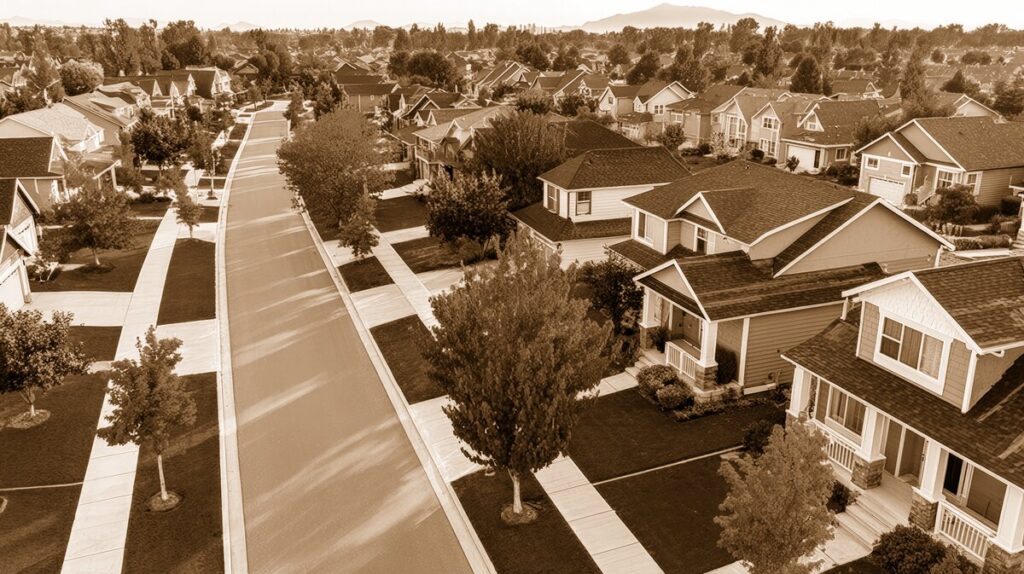
To stroll the streets of West Waco today—a drive down Speegleville Road, or a jog along the wooded paths of Woodway Park—is to see layers of history blending with contemporary life. Older ranch-style homes sit beside new builds with stone facades and manicured lawns. Family-held eateries coexist alongside fresh chains and coffee spots, while neighborhood parks buzz with kids riding bikes, just as they did fifty years ago.
Here are just a few ways the neighborhood has evolved:
- Diversity in Housing: What began as rows of postwar cottages now features a wider mix—townhomes, upscale subdivisions like Stone Creek Ranch, and custom homes near the Lake Waco shoreline.
- Connectivity: Major roads like Highway 84 and the Bosque Boulevard loop have made commuting a breeze, drawing even more professionals and young families to the area.
- Recreation and Well-being: Trails, fitness clubs, and parks abound here—Lake Waco Wetlands and the nearby Cameron Park are favorites for bird-watchers and runners alike.
- Community Gatherings: Seasonal events, school spirit days, and neighborhood block parties remain strong traditions, fostering a sense of belonging even as West Waco grows.
What Makes West Waco Special
For locals, West Waco’s story is written in the everyday—a casual greeting on the sidewalk, a ballgame at a neighborhood park, the way sunset glows over Lake Waco each summer evening. This part of Waco has managed to keep its small-town friendliness, even as it’s welcomed the best of modern living.
From storied streets like Bosque Boulevard—named for the trees that lined its original route—to the vibrant life around Richland Mall and the serenity of Lake Waco, West Waco is a neighborhood that honors its past while embracing the future. For newcomers and longtime residents alike, it’s the heart and history that make this corner of Waco truly special.